


Top 10 Mistakes New Scuba Divers Make (and How to Avoid Them)
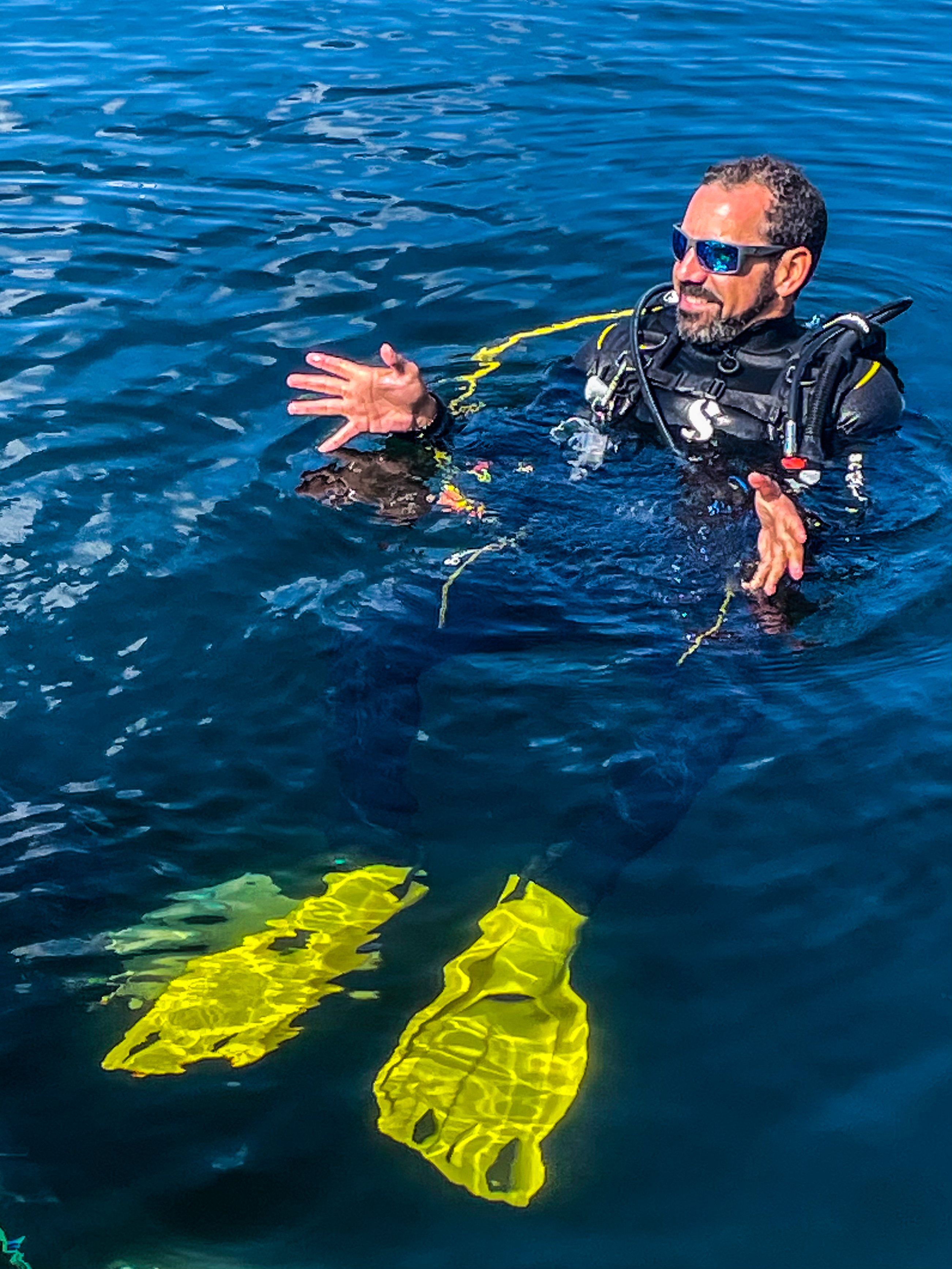
Getting certified as a scuba diver is an exciting milestone, but it is only the beginning of the learning process. One of the most common things we see as instructors is that new divers complete their course and then continue making the same small mistakes on nearly every dive.
These are not major issues, and they do not mean someone is a bad diver. In most cases, they come down to lack of repetition or refinement. The good news is that once you recognize them, they are relatively easy to correct, and the improvement in your diving can be noticeable right away.
Many of the issues new divers experience are not isolated problems, but patterns that develop early on. When you start to recognize them, it becomes much easier to make small adjustments that lead to meaningful improvement.
1. Inconsistent buoyancy control
Buoyancy sits at the center of everything you do underwater, yet it is one of the skills that takes the most time to develop. When it is inconsistent, divers tend to move up and down unintentionally, which leads to higher air consumption and reduced control. Improving this usually starts with slowing down, focusing on breathing, and becoming more aware of body position.
2. Inefficient kicking technique
Movement through the water is another area where inefficiencies show up quickly. Many divers rely too heavily on their knees or use a wide, exaggerated kick. It may feel like more effort is producing more movement, but in reality it often creates drag and wastes energy.
3. Holding or interrupting your breathing
Breathing is closely tied to both buoyancy and overall comfort. It is not uncommon for new divers to hold their breath briefly, especially when concentrating or feeling slightly stressed. This disrupts control in the water and can increase tension. A steady, continuous breathing pattern helps stabilize everything.
4. Overthinking underwater
Divers who are still new to the environment often try to process too many things at once. This can lead to hesitation or rushed movements. With time and repetition, that mental load decreases and the experience becomes more fluid.
5. Limited awareness of surroundings
It is easy to become focused on a single task and lose track of depth, positioning, or where your buddy is. Expanding your awareness—both of yourself and your environment—is a key step toward becoming a more confident diver.
6. Rushing equipment setup
Small oversights on the surface can lead to distractions underwater. Taking the time to check your gear properly before entering the water helps eliminate avoidable issues and allows you to stay focused during the dive.
7. Moving too fast
Many divers move faster than necessary, especially early on. Faster movement increases air consumption and reduces control. Slowing down tends to make dives feel more controlled and less demanding.
8. Poor body position (trim)
Divers who remain vertical in the water often struggle with both buoyancy and movement. A more horizontal, streamlined position supports better control and more efficient propulsion.
9. Weak buddy communication
Staying close, checking in regularly, and keeping communication simple can make a significant difference in both safety and comfort during a dive. This is often overlooked but plays a major role in overall dive quality.
10. Rushing through training without enough repetition
When you step back and look at all of these together, a common theme emerges. Many of these issues come from moving too quickly through training or not having enough time to refine the basics. Two divers can complete the same certification and come away with very different levels of comfort and control.
Improvement comes from slowing down, paying attention to the details, and continuing to build on the fundamentals after certification. That is where most of the real progress happens.
At Your Dive Concierge, the focus is on developing divers who are not just certified, but comfortable and capable in the water. That means spending time on the small things—movement, awareness, and control—and allowing those skills to develop properly.
For anyone looking to improve their diving, these fundamentals are the best place to start. Small adjustments made consistently over time tend to lead to the biggest changes in how a dive feels.


Comments