


How Adaptive Diving Makes You a Better Diver
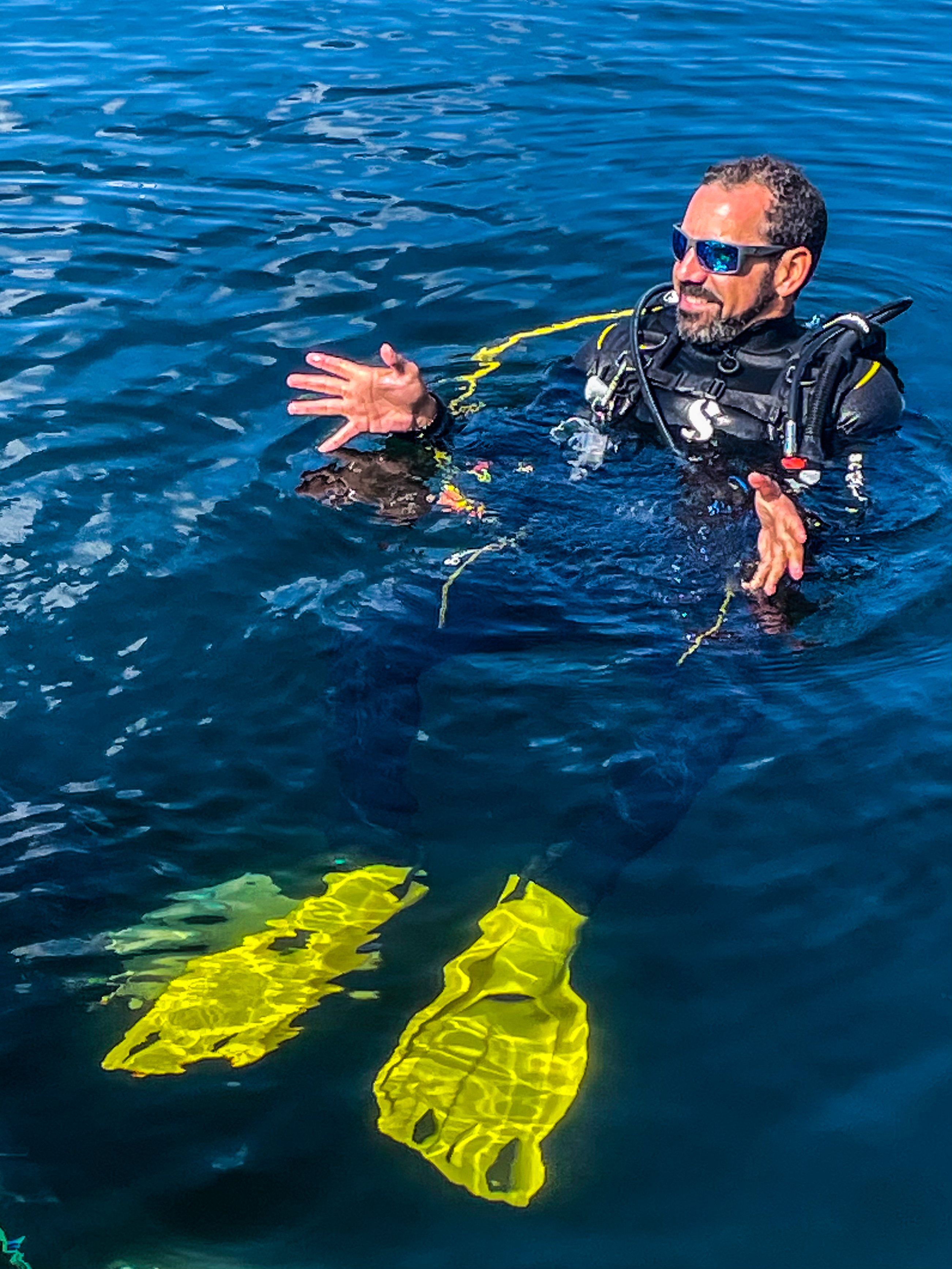
Most divers are introduced to adaptive diving as a way to support others in the water.
What many do not expect is how much it improves their own diving in the process.
Adaptive training has a way of exposing the small details that often go unnoticed in recreational diving. It shifts the focus away from simply completing a dive and toward how that dive is executed. Movements become more deliberate, awareness increases, and the margin for error becomes smaller.
In that environment, fundamentals are no longer optional—they become essential.
One of the first things that tends to improve is buoyancy control. When you are diving alongside or assisting another diver, especially someone with specific physical needs, maintaining precise buoyancy is critical. Small changes in depth or positioning can have a direct impact on the safety and comfort of the diver you are working with.
As a result, you become more aware of your breathing, your trim, and how your body moves through the water. Instead of reacting to changes, you begin to anticipate them.
Movement also becomes more efficient. Adaptive diving requires control, not speed. Sudden or exaggerated movements can create instability, so divers learn to move with intention. Kicks become smaller and more controlled, positioning becomes more consistent, and overall efficiency improves. This carries over into every dive you do afterward.
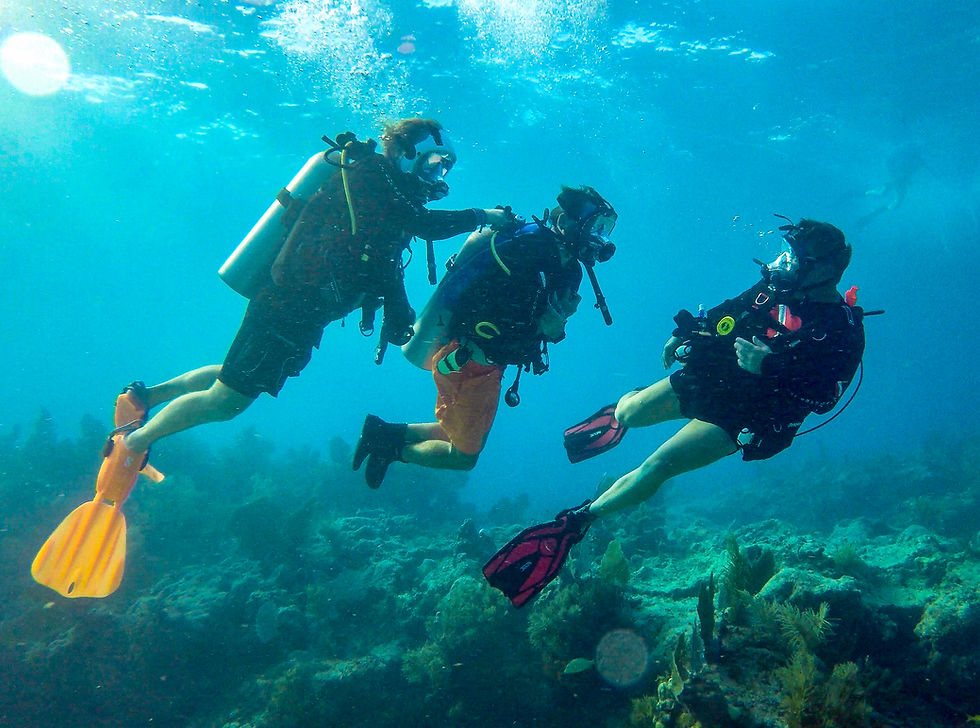
Situational awareness is another area that develops quickly. In a typical recreational dive, it is easy to focus primarily on yourself. In an adaptive setting, your awareness expands. You are constantly monitoring your environment, your team, and the diver you are supporting.
That broader awareness leads to better decision-making and a greater sense of control in the water.
Communication is also elevated. Clear, simple communication becomes essential when working as part of a team. Whether it is through hand signals, positioning, or pre-dive planning, divers learn to be more precise in how they share information.
This level of communication often carries over into non-adaptive dives, making teams more effective and coordinated.
Another important shift is how divers approach problem-solving. Adaptive diving introduces variables that are not always present in standard recreational diving. Learning how to adapt to different situations, rather than relying on a fixed set of responses, builds confidence and flexibility.
Two divers with the same certification level can perform very differently in these situations. The difference is usually not experience alone, but how well they understand and apply the fundamentals under changing conditions.
This is why many divers find that adaptive training accelerates their overall development. It reinforces the core skills that everything else in diving is built on.
It also changes perspective.
Diving becomes less about simply exploring and more about how you move, how you interact with others, and how you contribute to the overall experience in the water. That shift often leads to a deeper level of respect for the environment and for the role you play as a diver.
For those who have gone through Adaptive Dive Buddy training, this connection becomes clear early on. The skills learned in that environment are not separate from recreational diving—they enhance it.
If you have not read it yet, you can get a better understanding of how that training works in practice in our article on Inside Adaptive Dive Buddy Training: How You Become One. Together, these perspectives give a clearer picture of both the process and the impact of adaptive diving.
At Your Dive Concierge, the focus is on building divers who are not only capable, but aware and intentional in the water. Adaptive diving aligns naturally with that approach. It encourages divers to slow down, refine their skills, and think beyond themselves.
For many, it becomes one of the most valuable experiences in their diving journey—not just for what they give, but for what they gain from it.
Comments